Your dog or cat may be panting, but that isn't the same thing as labored breathing. Labored breathing actually means that your pet is struggling to breathe properly. Here, our Avon vets explain what labored breathing is in cats and dogs and what to do if your pet is showing signs of labored breathing.
What is Labored Breathing in Dogs and Cats?
In order to recognize when your cat or dog is having trouble breathing, it's important to understand the differences between breathing quickly (called tachypnea), and actually struggling to breathe (called dyspnea).
Tachypnea
Tachypnea is the fast breathing we all experience when exercising. If you take your dog out for a run, they may pant and breathe quickly but this does not mean that your dog is having difficulties breathing.
Dyspnea
Dyspnea is the term for labored breathing in cats and dogs. This term means that your animal is actually having difficulties taking breaths, or is short of breath.
Labored breathing is considered to be a veterinary emergency and requires immediate medical attention. But, how can you tell if your pet is struggling to breathe properly? When dogs and cats experience difficulties with their breathing, they will generally exhibit quite different symptoms.
What are the signs of labored breathing in dogs?
When dogs are having difficulty breathing, you are more likely to notice one of more of the following symptoms:
Constant panting
Blue-tinged gums
Foaming or frothing at the mouth
Stretching the neck out to breathe
Belly heaving in and out more as they breathe
Persistent cough, especially at night
An increased respiratory rate > 40 bpm
An unusually hoarse sounding bark
Sighs of anxiety such as restlessness or pacing
Exercise intolerance (most notably, when you take them for a walk)
Sitting up with a wide stance to breathe (front legs/elbows spread out)
What does labored breathing in cats look like?
It's quite common for our feline friends to hide when they aren't feeling well. This means that spotting the sign of breathing difficulties may be challenging for even the most tuned-in cat owners. All of that being said, when a cat is experiencing difficulties with breathing, they may show one or more of the following symptoms:
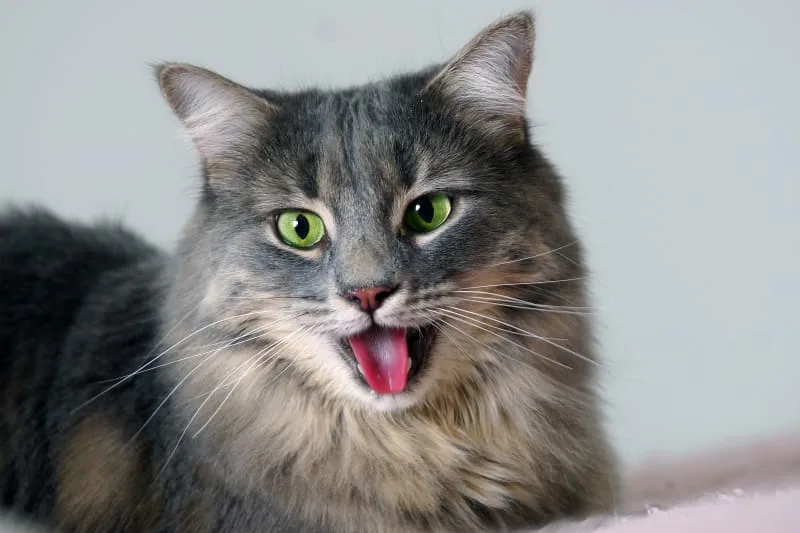
Open-mouth breathing
Blue-tinged gums
Hiding in a quiet place
Increased respiratory rate
Foaming or frothing from the mouth
Hacking or persistent coughing
Body hunched close to the ground with neck extended forward
What should I do if my pet is having difficulties breathing?
What causes labored breathing in dogs and cats?
Cats and dogs aren't always susceptible to the same conditions but some of the most common health issues that can lead to breathing difficulties in either type of animal include:
Trauma
Cancer
Asthma
Pneumonia
Infectious diseases
Growths in the upper airway
Heart failure
Metabolic issues
Exposure to toxins
How is labored breathing in pets treated?
After going through the examination process, your vet will prescribe a treatment plan based on the underlying cause of your pet's labored breathing. Some treatments for labored breathing in dogs and cats can include:
Oxygen therapy
IV fluids
Steroids to reduce airway inflammation
Bronchodilators to expand airway and increase airflow
Diuretics to treat fluid in lungs
Additional diagnostic testing may be required in order to pinpoint the precise cause of your pet's breathing difficulties. Diagnostic testing could include chest or abdominal x-rays and electrocardiogram or echocardiogram to check heart function.
Note: The advice provided in this post is intended for informational purposes and does not constitute medical advice regarding pets. For an accurate diagnosis of your pet's condition, please make an appointment with your vet.
If your dog or cat is struggling to breathe normally, urgent veterinary care is required. Contact Animal General or visit a closeby 24/7 emergency hospital as soon as possible. Our veterinarians are here to help you with your cat or dog's breathing difficulties.